



MUNCIE, Ind. – Since the early ‘90s, Ball State University’s landscaping services, a division of Facilities Planning & Management, has focused on a more sustainable way of doing things. They started to focus on composting materials around campus.
“The composting operation was initially started in 1991 to reduce the volume of waste being transferred to landfills. Since then, the operation has become a source of soil amendments for campus landscape projects,” said Brandon Workman, a supervisor for landscape services.
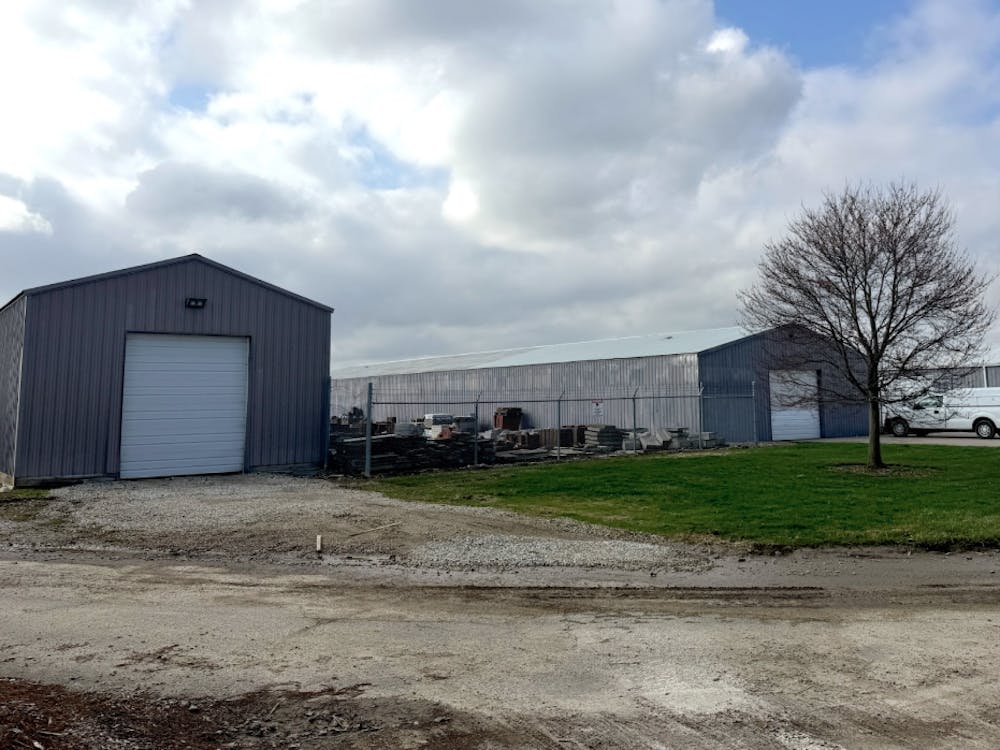
Ball State composts a variety of different materials, such as leaves, brush, coffee grounds, wood waste and grass clippings. All of this material gets gathered up and taken to Heath Farm, where it will sit and turn into compost over a period of several months to a couple of years.
The wood waste mentioned in that list includes items such as old pallets from buildings such as dining halls and athletic venues, wooden furniture from apartments and dorms.
When it comes to the trees the university cuts down, Workman said that they try to plant a new tree for every tree they have to cut down. He also stated that they have planted over 8,500 trees on campus with 625 different species.
Back to the compost, once it’s been finished, it will be used in the lawns, flowerbeds, and other landscaping projects around campus. Workman said that somewhere around 9,000 cubic yards of material gets composted each year. Which ultimately ends up being roughly 3,000 cubic yards of usable compost.
Contact Dylan Chesnut with comments at dylan.chesnut@bsu.edu