



Let's talk about the basics first
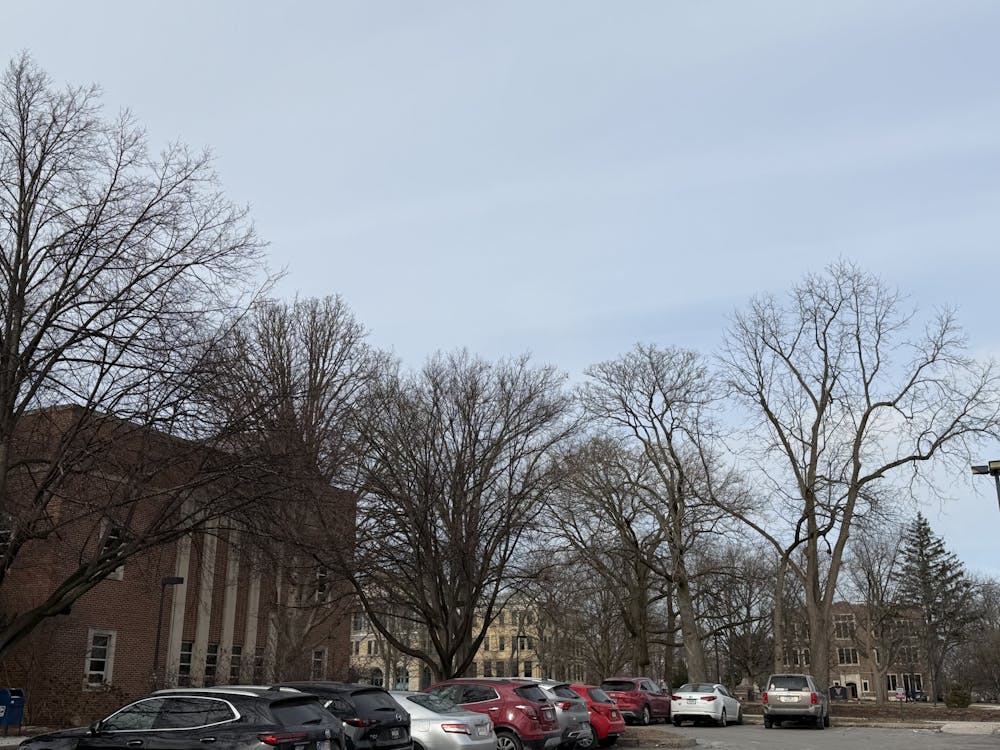
The trending topic everyone has been talking about: exploding trees. What are exploding trees, you may ask? Let's shift gears, think less of “exploding” and more of “cracking." We can buy into the hype that makes things seem frightening by using intense words to describe this rare phenomenon, known as “frost cracking”. The tree does not “blow up” or “explode”; what happens is the tree usually splits vertically near the trunk of the tree.
The media has been choosing the word explosion, due to the sound the tree makes when it snaps. The sound can be easily comparable to a firework, gunshot, or even a transformer blowing, which is how it got its name, “exploding trees”. Numerous videos and pictures have been circulating in the media of these exploding trees, making Hoosiers wonder, will we see exploding trees?
Science behind frost cracking
Frost cracking or exploding trees, whatever you may call it, how does it happen? According to the Nashville Tree Conservation Corps, “Frost cracks occur when air temperatures fluctuate below and above freezing or when sunlight warms a tree up in the daytime before the tree refreezes at night…the moisture in the outer layers of a tree melts and then quickly refreezes, the rapid expansion of the ice breaks the outer layer of wood and bark, resulting in a (usually vertical) split.” The type of tree also plays a part in frost cracking as well, “trees with thin bark, such as maple, birch, black cherry, elm, and sycamore, are more susceptible to the thaw-and-freeze cycle [as other trees with thicker bark such as] oak, chestnut, and many evergreen trees, are more tolerant of temperature fluctuations.”
In simpler terms, there are a few things that need to happen for this phenomenon to occur. First, there must be abrupt cooling, what were looking for is wind chills in the -20’s or even cooler to even have a possibility of ‘exploding trees’. Two, the sap in the tree trunk must freeze. Sap is made of mainly water and sugars. When sap freezes, it expands, causing pressure in the tree. Finally, the pressure will make the tree crack, typically near the trunk of the tree, creating the phenomenon of frost cracking.
Will Muncie see exploding trees?
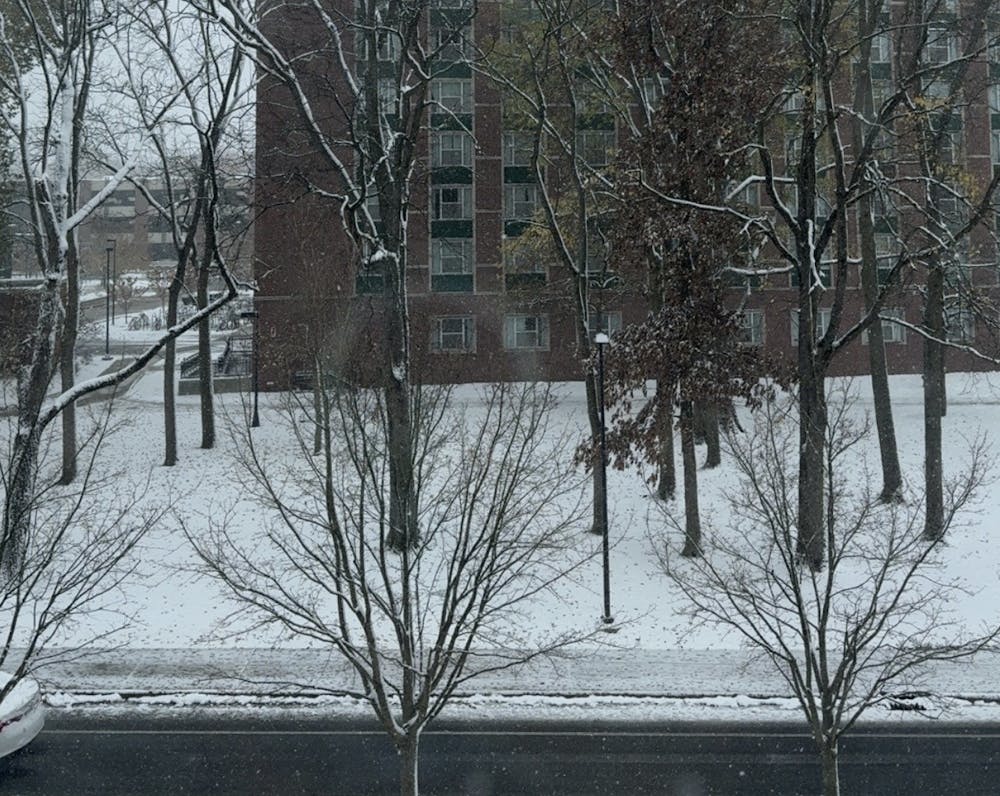
In short, no, Muncie will not see exploding trees. This is primarily an issue for the northern Midwest states, such as northern Wisconsin, Minnesota, Northern Iowa, and mainly the eastern half of North Dakota and South Dakota.
The National Weather Service has many warnings in effect all around the United States currently. Taking a closer look at the northern Midwest, the warning in effect is an extreme cold warning. Many of the northern Midwest states can see wind chill values as low as -50 degrees, whereas here in Muncie, we can see wind chills as low as 15 below to 21 below zero, according to the National Weather Service.
Those are two very different temperature ranges, making it likely for the northern states to see frost cracking; here in Muncie it will be extremely unlikely to see frost cracking. We can keep the curtains shut, folks; there won't be any exploding trees here anytime soon.
- Weather Forecaster Kendra Heath
Follow us on Facebook, Instagram, and X @NLIWeather for breaking weather updates.
NewsLink Indiana is a proud Ambassador for the NOAA Weather-Ready Nation program.
For more information about the Weather-Ready Nation program please click HERE